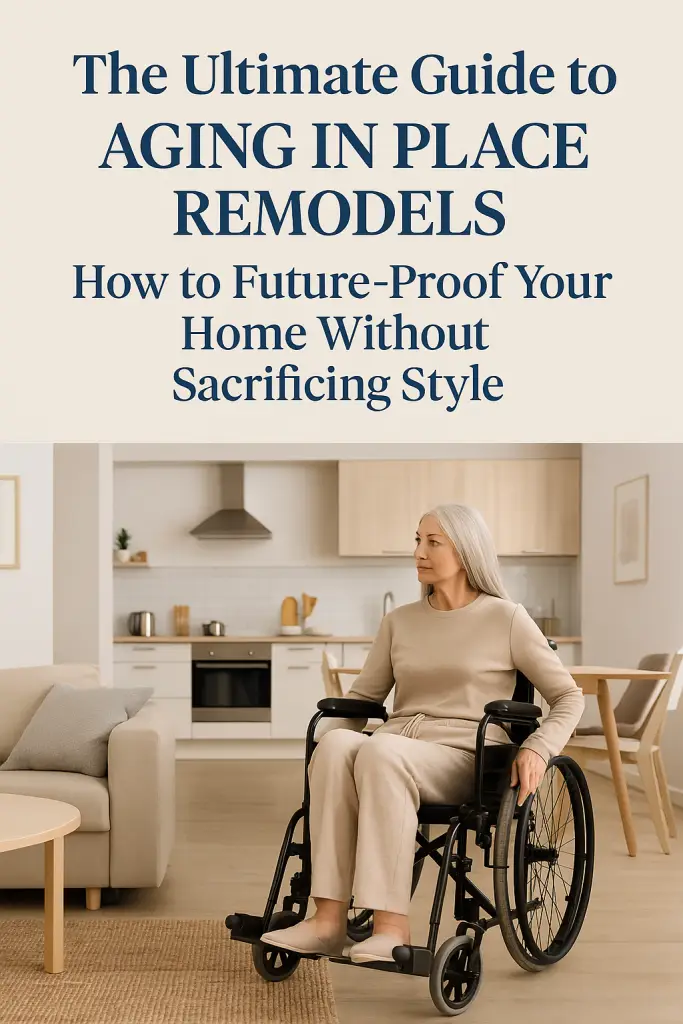
More homeowners are rethinking the future and it starts with how their homes work for them over time. Aging in place isn’t just a trend; it’s a proactive, empowering way to ensure your home remains both safe and functional as your needs evolve.
But aging in place doesn’t mean giving up style. In fact, the best remodels are the ones that blend timeless design with thoughtful functionality – adding comfort, accessibility, and beauty all at once.
In this guide, we’ll explore how to future-proof your home without making it feel clinical or outdated. From smart layout choices to subtle design upgrades, these remodeling strategies can help you stay comfortably at home, on your terms, for years to come.
What Does Aging in Place Really Mean?
Aging in place means choosing to remain in your home safely, comfortably, and independently as you get older. It’s about adapting your space to meet your evolving needs instead of relocating to a care facility or downsizing to something less familiar.
This approach is gaining popularity for many reasons. The cost of assisted living continues to rise, while many people prefer the comfort, freedom, and emotional value of staying in their own homes. Aging in place lets you retain your lifestyle and routines without sacrificing safety or convenience.
Whether you’re planning for yourself or supporting a loved one, aging in place remodels can give you peace of mind and greater control over your future.
Common Remodeling Priorities for Aging in Place
When future-proofing a home, a few key areas typically make the biggest impact. These upgrades focus on safety, ease of use, and long-term comfort, without sacrificing aesthetics.
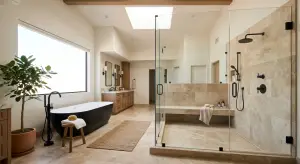
Bathrooms are usually the first place to start. Walk-in showers with handheld sprayers, built-in benches, and anti-slip flooring can make daily routines safer and more enjoyable. Grab bars can be installed in ways that blend with towel bars or modern hardware to keep the look streamlined.
Kitchens benefit from lower countertops, pull-out shelving, and easy-to-reach storage solutions. Lever-style handles and touchless faucets add convenience without drawing attention to themselves.
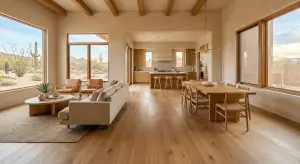
Hallways and doorways may need to be widened to accommodate future mobility aids, and flooring transitions should be smoothed out to reduce trip hazards. Lighting upgrades—especially layered or motion-activated lighting—can dramatically improve visibility and safety throughout the home.
According to the National Institute on Aging, even small modifications can have a major effect on aging in place success.
The goal is to create a space that works beautifully for today while still anticipating tomorrow.
Aging in Place Doesn’t Have to Look Clinical
One of the biggest misconceptions about aging in place remodels is that they have to look sterile or institutional. In reality, many modern upgrades blend seamlessly into upscale design and are virtually invisible to guests.
For example, a curbless shower not only makes entry easier but also creates a sleek, spa-like appearance. Grab bars can be integrated as part of elegant towel racks or shower hardware. You can even install subtle under-cabinet lighting that doubles as night lighting, improving safety while enhancing ambiance.
Smart features like voice-activated lighting, thermostats, and door locks can all be controlled hands-free, offering both convenience and peace of mind.
Aging in place doesn’t have to mean sacrificing beauty. With the right design approach, your home can remain sophisticated, comfortable, and ready for whatever comes next.
Questions to Ask Before Starting an Aging in Place Remodel
Before jumping into a remodel, it’s important to think through how your needs may evolve and how your home can support them without constant rework. Here are a few questions to help you plan with intention:
- How long do you plan to live in your current home?
If the answer is 10 years or more, it’s worth investing in high-quality upgrades that improve function and style. - Will other family members live with you or visit often?
Multigenerational living is on the rise. Consider how changes will impact guests, children, or aging parents. - Do you want your remodel to increase long-term resale value?
Many aging in place features like walk-in showers and smart home tech are selling points for buyers of all ages. - What elements of your current home do you want to preserve?
A great remodel blends accessibility with character. You don’t have to sacrifice the charm or design features you love.
Taking the time to clarify your goals helps ensure that every update adds lasting value to your lifestyle and your home.
Why You Should Work with a Contractor Who Understands Aging in Place
Aging in place remodels require more than good design. They involve understanding accessibility, safety, and building codes that go beyond standard renovations. The right contractor will help you anticipate future needs and guide you toward solutions that are both practical and visually appealing.
They can:
- Recommend fixtures that match your home’s style
- Suggest layout changes that improve long-term mobility
- Source materials that are durable, slip-resistant, and attractive
Most importantly, they help you avoid common mistakes like installing clinical-looking features that take away from the look and feel of your home.
Working with a contractor who understands aging in place ensures that your remodel will look intentional and cohesive, not improvised. It also means your home will serve you better for many years to come.
Conclusion: Style That Grows With You
Aging in place is not just about safety. It is about building a home that supports your life through every stage while still reflecting your personality and taste.
With the right planning and a contractor who understands your goals, you can future-proof your home without giving up comfort, warmth, or design integrity.
If you are ready to explore aging in place solutions that match your lifestyle, we are here to help. Contact us to start planning or browse our interior remodeling services to get inspired.
Frequently Asked Questions
Aging in place means updating your home so you can live there safely and comfortably as you grow older. It often includes changes like walk-in showers, better lighting, and smart home features that make daily life easier without sacrificing style.
Not necessarily. Many homebuyers actually prefer walk-in showers over tubs, especially in primary bathrooms. As long as there’s at least one tub in the home and the remodel is well-designed, resale value is often preserved—or even increased.
Yes. Today’s products and design solutions are made to blend in beautifully. From sleek grab bars that double as towel holders to curbless showers and smart lighting, these features can enhance your home’s look while adding long-term function.