If there’s one thing that feels different heading into 2026, it’s how homeowners are thinking about renovation. The focus has shifted. Instead of chasing whatever look is trending at the moment, people are slowing down and asking better questions. How long do we plan to stay here? What actually frustrates us about this space? What would make everyday life easier? Those questions are driving renovation decisions far more than color forecasts or design fads.
We’re seeing homeowners invest with intention. Fewer impulse projects. More planning. More attention to layout, materials, and how a home will hold up over time. Kitchens are being designed around how families actually cook and gather. Living spaces are being adjusted to feel comfortable, not just impressive. It’s less about creating a “wow” moment and more about creating a home that still feels right years from now.
That mindset is shaping what renovation trends look like in 2026. They’re quieter, more thoughtful, and far more personal. And in many ways, that’s a good thing.
Why 2026 Renovation Trends Look Different Than Previous Years
In past years, renovation trends often moved fast. A look would take off, everyone would rush to copy it, and a few years later it already felt dated. In 2026, that cycle is slowing down. Homeowners are more cautious with their budgets and more aware of how permanent renovation decisions really are. When you live with a choice every day, it matters whether it still works long after the excitement wears off.
Another factor is experience. Many homeowners went through rushed projects or quick updates in the past and learned what they would do differently next time. Poor storage, awkward layouts, or materials that did not hold up have a way of sticking with you. Those lessons are influencing decisions now, pushing people toward solutions that feel solid and well thought out instead of trendy.
There is also less pressure to renovate for someone else. Instead of designing for resale or social media, homeowners are prioritizing their own routines and preferences. That shift changes everything from floor plans to finish selections. The goal is not to impress a future buyer, but to create a space that feels good to live in day after day.
As a result, 2026 renovation trends are less about dramatic change and more about smart refinement. The updates may be quieter, but they tend to last longer and deliver more real value over time.
Quality Over Quantity Is Leading the Way
One of the clearest trends for 2026 is that homeowners are doing less, but doing it better. Instead of taking on multiple projects at once, many are choosing to focus on one space and get it right. That might mean a full kitchen remodel instead of a surface-level refresh across the whole house, or a primary bathroom that is redesigned for comfort and function rather than a quick cosmetic update.
This shift comes from a better understanding of where money is actually well spent. High-quality materials, solid construction, and thoughtful design tend to hold up far longer than shortcuts or budget fixes. Homeowners are recognizing that it is often better to wait, plan, and invest once than to redo the same space again in a few years.
There is also more appreciation for craftsmanship. Details like how cabinetry is built, how tile is installed, or how spaces flow together are getting more attention. These are not always the most obvious elements at first glance, but they are the things people notice over time when they live in the space.
In 2026, renovation success is less about how much was changed and more about how well it was done. That mindset is shaping projects that feel intentional, durable, and genuinely worth the investment.
Designing for Real Life, Not Just a Finished Photo
Another reason 2026 renovation trends feel more grounded is that homeowners are designing around how they actually live. Spaces are being planned for routines, habits, and everyday messes, not just how a room looks once everything is perfectly styled. That shift shows up in small but important ways.
Kitchens are getting layouts that make cooking easier instead of just adding more features. Storage is being built where it is truly needed, not hidden in awkward corners. Living spaces are designed to feel comfortable at night, on weekends, and during busy mornings, not just in natural daylight for a photo.
There is also more flexibility built into designs. Rooms are expected to adapt as needs change, whether that means working from home, hosting family, or simply wanting a quieter place to unwind. Homeowners are thinking beyond how a space looks today and considering how it will function a few years from now.
Noticeably, many of these changes are subtle. They do not scream for attention, but they make a difference in daily life. In 2026, good design is measured by how easy a home is to live in, not how dramatic the reveal feels on day one.
Timeless Materials Are Replacing Trend-Driven Finishes
In 2026, material choices are becoming more conservative in the best possible way. Homeowners are leaning toward finishes that feel familiar, durable, and easy to live with instead of chasing the latest look. The goal is not to avoid style, but to choose materials that still feel right years down the line.
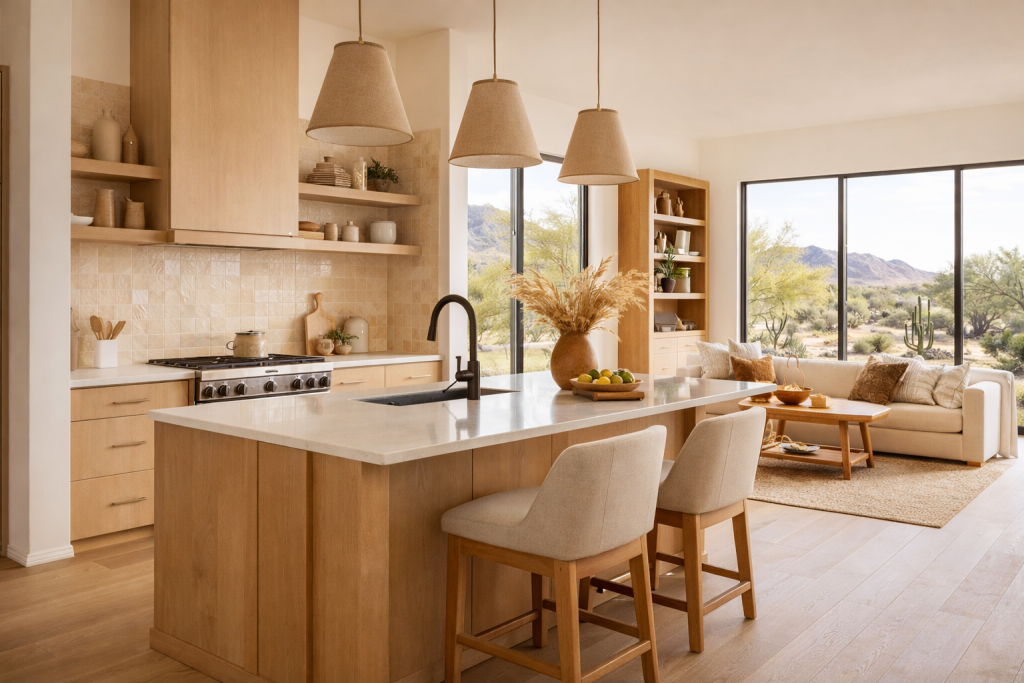
Natural textures are a big part of this shift. Wood tones, stone, and warm neutrals are being favored because they age well and work with a wide range of styles. These materials also tend to handle wear better, which matters when a space is used every day. Rather than building a room around a single bold finish, homeowners are creating calmer backdrops that can evolve over time.
This approach also leaves room for personality without locking it into permanent choices. Color and character are being added through furnishings, lighting, or decor that can be updated later, while the core materials remain classic. It is a more flexible way to design, especially for homeowners who plan to stay in their homes for a while.
By choosing timeless materials, renovations in 2026 are less likely to feel dated quickly. They create spaces that feel settled, comfortable, and easier to maintain, which is exactly what many homeowners are looking for right now.
Renovating With the Long Term in Mind
More than anything, 2026 renovation trends reflect a long-term mindset. Homeowners are thinking beyond the immediate result and considering how their homes will support them over the next several years. That perspective influences everything from layout decisions to material selection to how much is taken on at once.
Instead of renovating with resale as the primary goal, many people are renovating for longevity. They want spaces that will still feel functional and comfortable as their needs change. That might mean wider walkways, better lighting, more thoughtful storage, or layouts that can adapt without requiring another major remodel down the road.
There is also a sense of patience built into this approach. Homeowners are more willing to plan carefully, wait for the right materials, and invest in solutions that last rather than rushing to finish a project quickly. looked good for a short time. That patience often leads to better outcomes and fewer regrets.
Renovating with the long term in mind creates homes that feel stable and intentional. In a year where so much feels uncertain, that kind of steadiness is exactly what many homeowners are seeking from their renovation decisions.
What These 2026 Trends Say About Homeowners Today
Taken together, these trends point to a clear shift in mindset. Homeowners in 2026 are not driven by urgency or fear of missing out. They are informed, thoughtful, and more confident in making decisions that suit their lives instead of reacting to outside pressure. Renovation has become less about keeping up and more about settling in.
There is also a stronger sense of ownership in these decisions. People want to understand why they are renovating, not just what they are doing. They ask more questions, think through consequences, and care about how choices will feel over time. That level of intention naturally leads to better outcomes.
This approach often results in homes that feel calmer and more cohesive. When renovations are guided by purpose rather than trends, spaces tend to age more gracefully. They feel less tied to a specific moment and more like they belong to the people living there.
In many ways, 2026 renovation trends reflect maturity. Homeowners are choosing quality, comfort, and longevity over speed and spectacle. It is a shift that benefits not just individual homes, but the overall character of the spaces people live in every day.
Final Thoughts: Renovating With Purpose in 2026
Renovation trends in 2026 are not about making bold statements or chasing what is new. They are about making choices that feel right and last. Homeowners are slowing down, planning more carefully, and investing in their homes with a clearer sense of why they are doing it in the first place.
That shift toward intention is shaping better outcomes. Spaces feel more functional, materials hold up longer, and homes evolve alongside the people living in them. Instead of reacting to trends or market pressure, homeowners are creating environments that support their everyday lives and future plans.
Renovating with purpose does not mean playing it safe or giving up style. It means being thoughtful about what matters most and designing around that. In 2026, that mindset is defining some of the strongest, most satisfying renovation projects we are seeing.
When design decisions are rooted in longevity and real life, homes tend to feel better to live in. And that is a trend worth leaning into.
Frequently Asked Questions About 2026 Renovation Trends
Yes, but the change is more about mindset than style. Homeowners are moving away from fast, trend-driven updates and toward renovations that prioritize longevity, functionality, and comfort. This aligns with broader housing and economic uncertainty, where people are more cautious and intentional with large investments.
Kitchens, bathrooms, and layout improvements remain the most common projects. Homeowners are focusing on spaces they use every day and upgrades that improve flow, storage, and livability rather than cosmetic-only changes.
Focus on function first. Good layouts, durable materials, proper lighting, and storage tend to matter long after specific design trends fade. Consulting with experienced professionals can also help avoid choices that may feel dated quickly.