Windows do more work than most homeowners give them credit for. They control how much heat gets into the house during the summer, how much a cooling system has to fight to keep up, and how much natural light a room actually gets throughout the day. In a climate like Phoenix, old or poorly performing windows are not just a cosmetic issue. They show up directly on the utility bill.
A whole-home window replacement is one of the few renovation projects that pays for itself in comfort almost immediately. Rooms that used to feel hot near the glass start to feel even. Air conditioning cycles less often. And the home looks noticeably different from the street, since window style has a bigger impact on curb appeal than most homeowners expect going in.
This guide covers how to know it is time to replace windows throughout the house, what actually changes with newer glass and frame technology, how to choose between replacement approaches, and what the installation process looks like from start to finish.
Signs Your Windows Are Working Against You
Not every window needs to be replaced at the same time, but a few signs point to windows that are actively working against a home’s comfort and efficiency rather than helping it.
- Visible condensation or fogging between panes, which means the seal has failed
- A noticeable draft near the window even when it is fully closed
- Windows that are difficult to open, close, or lock properly
- Rooms near large windows that feel noticeably hotter than the rest of the house during summer afternoons
Frames that are visibly warped, cracked, or have wood rot around the edges
Single-Pane vs. Dual-Pane: What Actually Changes
Many older Phoenix-area homes still have single-pane windows, especially homes built before the 1990s. A single pane of glass offers very little resistance to heat transfer, which means the glass itself becomes almost as hot as the outside air during summer months.
Dual-pane windows use two layers of glass with a sealed air or gas-filled gap between them, which significantly slows down how quickly heat moves through the window. For homeowners still working with original single-pane windows, this upgrade alone tends to produce the most noticeable difference in comfort of any change made during a renovation.
How Window Orientation Affects Cooling Costs in Phoenix
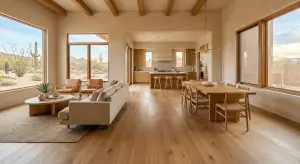
Not all windows in a home carry the same cooling burden. West-facing windows take the brunt of the afternoon sun during the hottest part of the year, while north-facing windows see very little direct sun exposure at all.
This matters when planning a replacement project, because it affects which windows benefit most from higher-performance glass. Homeowners on a tighter budget sometimes prioritize west and south-facing windows first, since those are doing the most work to let heat into the home, and phase the remaining windows in later.
Frame Material Options: Vinyl, Aluminum, and Wood-Clad
Frame material affects both performance and appearance, and each option has tradeoffs worth understanding before choosing.
- Vinyl frames are cost-effective, low-maintenance, and perform well thermally, making them a common choice for whole-home projects
- Aluminum frames are durable and support larger glass spans, but conduct heat more than vinyl unless thermally broken
- Wood-clad frames offer a warmer, more architectural look, often preferred on higher-end Scottsdale homes, at a higher price point
Frame color also matters more than homeowners expect. Warm bronze, wood-tone, and desert-neutral finishes tend to fit the architecture of Scottsdale and Phoenix homes better than stark black frames, which can read as a style borrowed from a different climate entirely
Low-E Glass and Why It Matters in Desert Heat
Low-emissivity, or Low-E, glass has a microscopically thin coating that reflects infrared heat while still allowing visible light through. In a hot climate, this means less heat transfer into the home without making rooms feel dark.
Homeowners sometimes worry that Low-E coatings will noticeably change how a window looks or how much natural light comes through. In practice, the difference is subtle enough that most people cannot tell a Low-E window from a standard one just by looking at it, while the difference in how a room feels during a summer afternoon is significant.
Full-Frame Replacement vs. Retrofit Insert Replacement
There are two main approaches to replacing a window, and the right one depends on the condition of the existing frame.
- Retrofit or insert replacement fits a new window into the existing frame, which is faster and less invasive when the original frame is still structurally sound
- Full-frame replacement removes the window down to the rough opening, which is necessary when there is water damage, rot, or when the window size or style is changing
A contractor should inspect each window individually rather than assuming the whole home needs the same approach, since older homes often have a mix of frame conditions even among windows that look similar from the outside.
How Window Replacement Affects HOA Approval
Many Scottsdale and Phoenix-area HOAs have specific guidelines around exterior changes, and windows often fall under that review, especially when the new windows change the frame color, the grid pattern, or the overall size of the opening.
- Frame color changes typically require HOA sign-off before installation
- Changes to window grid patterns or overall style may need architectural review
- Enlarging or relocating a window opening usually requires both HOA approval and a building permit
Homeowners can confirm requirements with their specific HOA and verify a contractor’s license through the Arizona Registrar of Contractors before finalizing a project.
Matching New Windows to a Home's Existing Architecture
A window replacement project is also a design decision, not just a performance upgrade. New windows should complement the home’s existing architectural style rather than looking like an obvious retrofit.
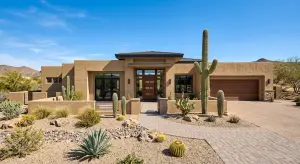
For Southwestern and desert-modern homes common throughout Scottsdale, that usually means keeping frame proportions consistent with the original openings, choosing warm neutral or wood-tone frame colors, and avoiding grid patterns or styles that clash with the home’s existing rooflines and trim details.
What Happens During Installation
Window replacement is disruptive but contained. Each window typically takes a few hours to remove and replace, and most homeowners are able to remain in the home throughout the process.
- Furniture and window treatments near each work area need to be moved or covered before installation begins
- Work is usually sequenced room by room, so only one or two areas are affected at a time
- Some dust and debris should be expected near each opening during removal
- Final sealing and trim work typically finishes within a day or two of the glass installation itself
How Many Windows to Replace at Once: Whole-Home vs. Phased
Replacing every window in the home at once is more efficient from a labor and scheduling standpoint, and it usually costs less per window than doing the same project in stages over several years.
That said, phasing is a reasonable approach for homeowners managing a tighter budget. Starting with the windows carrying the most heat load, typically west and south-facing rooms, delivers the most noticeable comfort improvement first, with the remaining windows addressed in a later phase.
Energy Rebates and Incentives Worth Checking Into
Utility providers and local programs periodically offer rebates or incentives for energy-efficient window upgrades, though the specifics change often enough that homeowners should check current offerings directly with their utility provider before assuming a discount applies.
A contractor familiar with the local market can often point homeowners toward current programs worth looking into, but the details and eligibility requirements should always be confirmed directly with the utility company or program administrator before factoring a rebate into the budget
Common Mistakes Homeowners Make on Window Projects
A few avoidable mistakes show up repeatedly on window replacement projects in this market.
- Choosing frame color based on a showroom sample rather than how it will actually look against the home’s exterior
- Skipping Low-E glass to save money, then missing the comfort improvement it would have provided
- Assuming every window needs full-frame replacement when many are good candidates for a faster retrofit approach
- Not checking HOA requirements before ordering windows, leading to delays or costly reorders
Questions to Ask Before Hiring a Window Replacement Contractor
Window replacement quality depends heavily on installation, not just the product itself. A poorly installed high-end window will underperform a well-installed standard one.
- Will you inspect each window individually to recommend retrofit versus full-frame replacement?
- What glass and frame options do you recommend for west-facing versus north-facing rooms?
- How do you handle HOA approval as part of the project?
- What warranty comes with both the windows and the installation labor?
Why Homeowners Choose Drill Renovations for Window Replacement
Window replacement affects comfort, energy efficiency, and curb appeal all at once, and the quality of the installation determines whether a homeowner actually sees those benefits.
Drill Renovations is a veteran-owned design-build remodeling contractor serving Scottsdale, Phoenix, Paradise Valley, Arcadia, Gilbert, Chandler, Tempe, Mesa, Fountain Hills, Queen Creek, and Ahwatukee. Homeowners choose Drill Renovations for:
- Window-by-window assessment rather than a one-size-fits-all recommendation
- Frame and glass options selected for Arizona’s specific heat and sun exposure
- Licensed, bonded, and insured installation from start to finish
- Local expertise navigating HOA approval across Valley communities
- A focus on craftsmanship and long-term performance over the fastest possible install
Ready to Start Your Remodel?
Drill Renovations is a veteran-owned, licensed design-build contractor serving Scottsdale, Phoenix, Paradise Valley, Arcadia, Gilbert, Chandler, Tempe, Mesa, Fountain Hills, Queen Creek, and Ahwatukee.
ROC#351113 KB-1 | Licensed, Bonded & Insured
Schedule your free consultation or request a custom estimate today
Cost depends on the number of windows, frame material, and glass options chosen. A detailed, window-by-window estimate from a licensed local contractor is the best way to get an accurate number for your home.
Many homeowners see a noticeable reduction, especially when replacing older single-pane windows with dual-pane, Low-E glass. The exact savings depend on your home's current windows and overall insulation.
No. Phasing the project, starting with west and south-facing rooms carrying the most heat load, is a reasonable approach for homeowners managing a tighter budget.
Standard retrofit replacements often do not require a permit, but enlarging or relocating a window opening typically does. A licensed contractor can confirm what applies to your specific project
Most whole-home window projects are completed within a few days to a couple of weeks, depending on the number of windows and whether any openings are being resized.