A backsplash might seem like a finishing touch, but in a kitchen remodel it can quietly become the star of the room. It is one of the first things your eye lands on when you walk in, and it sits right at the intersection of your cabinets, countertops, lighting, and appliances. Get it right, and everything feels intentional and cohesive. Get it wrong, and even beautiful cabinets can feel slightly off. Before you fall in love with a tile you saw online or in a showroom, it is worth slowing down and asking a few smart questions. The right backsplash should not only look beautiful today, but still feel like you made a wise choice years from now.
1. What Is the Overall Style of My Kitchen?
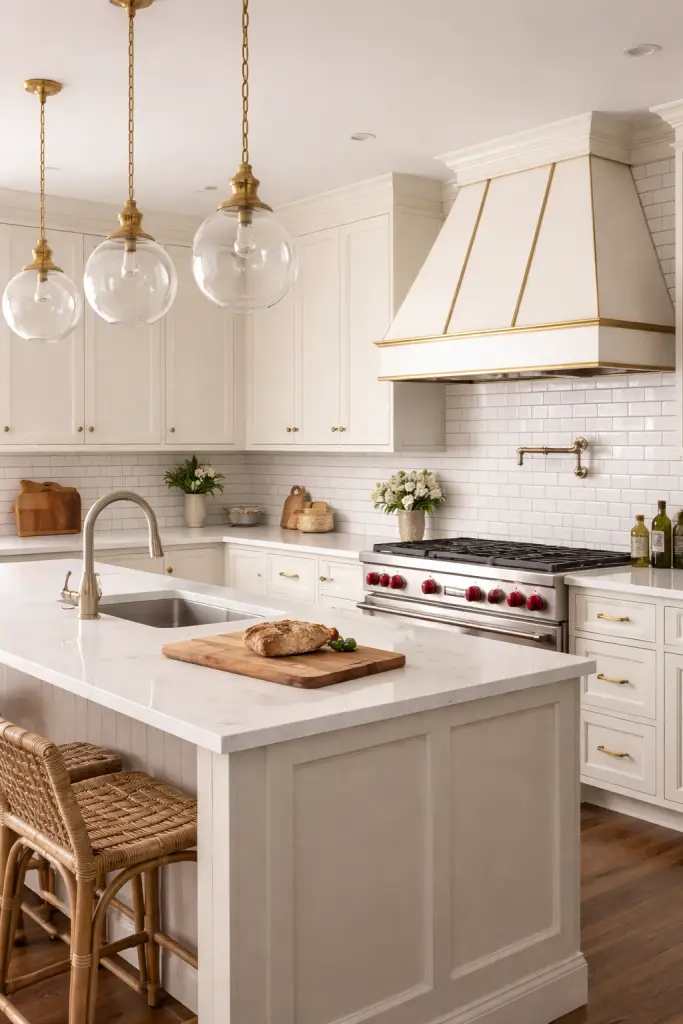
Before you commit to a backsplash, take a step back and look at the whole room. Your cabinets, countertops, flooring, hardware, and even your hood vent are already telling a story. The backsplash should support that story, not compete with it. A sleek, modern kitchen with flat panel cabinets often looks best with clean lines and simple tile. A more traditional kitchen with detailed cabinetry can handle classic shapes or subtle texture. Transitional kitchens sit somewhere in between and usually benefit from timeless materials that will not feel dated in a few years.
It also helps to pay attention to undertones. Are your cabinets warm or cool? Does your countertop lean gray, creamy, or taupe? Even a white tile can clash if the undertones are off. When planning a kitchen remodel, this is where many homeowners get tripped up. They choose a backsplash in isolation instead of seeing how it works with everything else. Laying samples next to your actual materials, in your own lighting, will tell you far more than any showroom display ever could.
2. Do I Want the Backsplash to Be a Statement or a Supporting Element?
Every kitchen needs a focal point. Sometimes that is the island. Sometimes it is a dramatic range hood. And sometimes, it is the backsplash. Before choosing a tile, decide whether you want it to quietly support the space or take center stage.
If you already have bold countertops with heavy veining or colorful cabinetry, a simple backsplash often creates the right balance. Think soft neutrals, classic shapes, and minimal pattern. On the other hand, if your cabinets and counters are understated, the backsplash can be where you introduce personality. A handmade tile with subtle variation, a geometric pattern, or a pop of color can add depth without overwhelming the room.
The key is restraint. A statement backsplash works best when the rest of the kitchen gives it room to shine. When everything competes for attention, the space can start to feel busy. Thoughtful design is not about adding more. It is about knowing where to let the eye rest and where to let it linger.
3. How Much Maintenance Am I Willing to Handle?
It is easy to fall in love with a backsplash based on looks alone, but daily life in a kitchen tells a different story. Grease splatter behind the cooktop, tomato sauce near the prep area, and steam from boiling pots all land on this surface. Some materials handle that reality better than others.
Small mosaic tiles with lots of grout lines can look beautiful, but they require more cleaning. Light grout in particular shows discoloration over time if it is not sealed and maintained. Natural stone brings warmth and texture, yet it often needs regular sealing to prevent staining. On the other hand, larger format porcelain or ceramic tiles with minimal grout lines tend to be easier to wipe down and maintain.
There is no right or wrong answer here. It simply comes down to lifestyle. If you cook often and want something that cleans up quickly, lean toward smoother finishes and practical materials. If you love character and do not mind a little upkeep, you have more flexibility. The best kitchen remodel choices are the ones that fit the way you actually live.
4. What Is My Lighting Really Doing?
Lighting changes everything. A tile that looks soft and creamy in a showroom can feel stark or flat once it is installed under bright LED lights. Before choosing a backsplash, consider how your kitchen is lit during the day and at night.
Under cabinet lighting will highlight texture, shine, and even slight color variation. Glossy tile reflects light and can make a kitchen feel brighter, which is helpful in darker spaces. Matte finishes absorb light and tend to feel softer and more relaxed. Natural light also plays a role. A north facing kitchen may pull cooler tones, while a sun filled space can warm everything up.
If possible, bring samples home and view them at different times of day. Hold them vertically against the wall rather than flat on a countertop. The way light hits a backsplash is completely different once it is installed, and this simple step can prevent an expensive mistake.
5. How Will This Look in Five Years?
Trends move quickly, especially in kitchen design. What feels fresh and exciting right now may start to feel dated sooner than you expect. Before committing to a bold pattern or highly specific color, pause and imagine living with it for the next five to ten years.
That does not mean you have to play it safe or choose something boring. It simply means thinking about longevity. Classic shapes like subway tile, simple stacked layouts, and natural stone tend to age well because they are not tied to a single moment in design. If you are drawn to something trend forward, consider using it in a way that feels balanced rather than overwhelming.
A kitchen remodel is a meaningful investment. Choosing a backsplash that still feels right years from now protects both your enjoyment of the space and its resale value. Timeless does not mean predictable. It means thoughtful.
6. What Is My Budget Including Installation?
Backsplash pricing is not just about the tile itself. The material might look affordable per square foot, but installation can vary widely depending on layout and complexity. Intricate patterns, small mosaic pieces, and specialty shapes take more time to install and often increase labor costs. Trim pieces, edging, and detailed cuts around outlets also add to the final number.
It is also important to factor in preparation. If old tile needs to be removed or the wall surface needs repair before installation, that work becomes part of the project cost. In many kitchen remodels, homeowners are surprised to learn that labor makes up a significant portion of the backsplash investment.
This is one area where quality matters. A perfectly installed backsplash elevates the entire kitchen. Crooked lines or uneven spacing will catch your eye every single day. Setting a realistic budget from the start allows you to choose materials that fit both your design goals and the craftsmanship you expect.
7. Have I Seen a Full Mockup in My Space?
A small sample can be misleading. A tile that looks subtle in a six inch square can feel overwhelming once it covers an entire wall. Before making a final decision, it helps to see the material in context.
Order full size samples if possible and tape them to the wall vertically. Place them next to your actual cabinets and countertops. Turn your under cabinet lights on and off. Step back across the room and look again. These small tests reveal scale, color shifts, and pattern repetition that you simply cannot see in a store display.
If you are working with a contractor during your kitchen remodel, ask for layout guidance. Seeing how the tile will terminate at cabinets, windows, and a range hood makes a difference. A thoughtful mockup takes a little extra time, but it gives you confidence before installation begins.
Common Backsplash Mistakes to Avoid
Even with careful planning, there are a few common missteps that show up again and again in kitchen remodels. One of the biggest is choosing the backsplash before the countertops are finalized. Because the backsplash sits directly against the counter, the two need to complement each other. It is much easier to match tile to a countertop than the other way around.
Another mistake is overlooking grout color. Grout is not just a background detail. It can either soften the look of a tile or make the pattern stand out dramatically. Outlet placement is also worth thinking through. A busy pattern cut up by multiple outlets can feel chaotic if it is not planned carefully. Finally, stopping the tile too low behind a range hood can make the design feel unfinished. Small decisions add up, and thoughtful planning keeps the final result looking polished.
Final Thoughts: Make the Backsplash Work for You
A backsplash may cover a relatively small portion of your kitchen, but its impact is significant. It ties together cabinets, countertops, lighting, and hardware into one cohesive design. When chosen carefully, it adds texture, depth, and personality without overwhelming the space.
Before committing to a material, take the time to ask these seven questions and view your options in your own home. A well planned backsplash should feel intentional, practical, and lasting. If you are preparing for a kitchen remodel and want guidance on selecting finishes that truly work together, working with an experienced team can help you move forward with confidence.
Kitchen Backsplash FAQ
Classic white or off white subway tile remains one of the most timeless backsplash options. Its simple shape and clean lines pair well with a wide range of cabinet styles and countertop materials. Natural stone in neutral tones is another long lasting choice. The key is choosing materials and colors that complement the rest of the kitchen rather than following a short lived trend.
A backsplash does not need to perfectly match either element, but it should coordinate with both. In many kitchen remodels, the backsplash pulls a tone from the countertop and blends it with the cabinet color to create cohesion. It can either soften contrast or intentionally highlight it, depending on the overall design goal.
Lorem ipsum dolor sit amet, consectetur adipiscing elit. Ut elit tellus, luctus nec ullamcorper mattis, pulvinar dapibus leo
Neutral, high quality materials tend to have the broadest appeal when it comes to resale value. Simple porcelain tile, classic subway layouts, and natural stone in soft tones are safe investments. While bold designs can reflect personal style, timeless options typically attract a wider range of future buyers.