If you’re a homeowner in Arizona wondering whether it makes more sense to build up or build out to create extra space, you’re in good company. Across Phoenix, Scottsdale, and the Valley, families are choosing to renovate instead of relocate, turning their current homes into the forever homes they’ve been dreaming about. With housing prices climbing and bidding wars still common, adding square footage can feel like the smartest, least stressful choice—but the big question remains: do you expand your home horizontally, or do you take things to a second story?
This decision isn’t just about cost. It’s about how you use your space every day, how much yard you’re willing to give up, what’s normal in your neighborhood, and how the changes will affect your home’s long-term value. For many Arizona homeowners, the choice is a mix of lifestyle and investment—a balance between creating breathing room for your family now and making sure your home appeals to future buyers down the road. Let’s break down what to think about before you start drawing up plans.
Arizona Housing Market Trends: Why Home Additions Are on the Rise
Arizona’s housing market has been on a steady climb for years, with Phoenix, Scottsdale, and surrounding areas seeing some of the fastest growth in the country. Inventory for larger homes is limited, and when a spacious property does hit the market, it often comes with a hefty price tag and plenty of competition from other buyers. For many families, staying put and adding square footage feels like a smarter, less stressful option than jumping back into a bidding war.
“If you’re considering selling within the next 1–3 years, adding extra living space to your home now will give you time to enjoy the upgrade while the market adjusts to its increased value,” advises Arizona Realtor Lacey Lehman of Team Lehman AZ. “Should the Metro Phoenix area shift back into a strong seller’s market, a well-planned addition could enhance your home’s appeal and resale value.“
One thing that makes Arizona unique is how neighborhood trends influence home design. In many Phoenix suburbs, single-story homes are the gold standard, especially for retirees or buyers who want easy accessibility. But in other parts of the Valley, particularly where lot sizes are smaller or newer builds dominate, a well-planned second story can be a big selling point. Understanding what buyers in your neighborhood prefer can help guide whether building up or out will add the most value to your property.
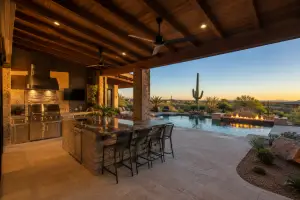
Another factor is how outdoor living fits into Arizona lifestyles. Many homeowners would rather keep their pool, patio, and desert landscaping intact, which makes building up more appealing. Others are willing to trade a bit of yard space for the convenience of a larger, single-level layout. Local trends and buyer preferences are key pieces of the puzzle when deciding which direction to take your home expansion.
Building Out: Expanding Your Home Horizontally
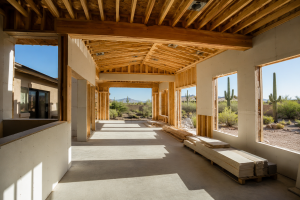
For many Arizona homeowners, the easiest way to gain more space is to simply build out—extending your home’s footprint on the lot you already own. If you have the yard space to spare, this option can feel like the least disruptive way to create a bigger living area without dramatically changing the style or layout of your house.
The biggest advantage of building out is simplicity. In most cases, a ground-level addition doesn’t require major structural changes to your home. You’re not reinforcing foundations to hold an extra story or redesigning your roofline from scratch. Instead, you’re adding on to what’s already there—whether that’s an extra bedroom, a larger kitchen, or a sun-soaked Arizona room that blends indoor and outdoor living. This kind of expansion often feels more natural, like the home was always meant to have that extra space.
That said, building out does come with trade-offs. You’ll need enough yard to make it worthwhile, and in many Phoenix-area homes, that can mean sacrificing patio space or getting a little closer to the property line than you’d like. If you already have a pool, landscaped garden, or dream of installing one, losing that outdoor area might not feel worth it. There can also be added costs for grading, retaining walls, or utility line extensions, depending on your property’s layout.
If you’re lucky enough to have a generous lot size and you love single-level living, building out can be the most practical, budget-friendly way to get the space you need while keeping your Arizona home’s flow comfortable and functional.
Building Up: Adding a Second Story
If you’re short on yard space or just don’t want to give up your pool and patio, building up can be an attractive option. A second-story addition lets you double your square footage without expanding your home’s footprint, which is especially appealing in Arizona neighborhoods where lot sizes are tight or every inch of outdoor living space counts.
The benefits are clear. You get more room without losing your backyard, and a thoughtfully designed second story can completely transform your home’s curb appeal. In some communities, adding that extra level can even put your property in a higher-value category when it comes time to sell. Plus, going vertical can open up opportunities for incredible desert and mountain views you can’t capture from a single story.
But building up is rarely simple. You’ll likely need significant structural reinforcement to handle the additional weight, which adds cost and complexity. Many homeowners also have to plan for temporary relocation during the early phases of construction—living under a partially removed roof isn’t exactly comfortable. Noise transfer between floors can become an issue if the design and materials don’t address it well. And depending on where you live, your HOA or city zoning rules may have strict height limits or architectural guidelines that affect your plans.
If you’re considering a second story, it’s worth doing a little homework on Arizona building codes and permit requirements to understand what’s possible before you start designing. A reputable local contractor can walk you through your options and help you weigh the costs, resale potential, and practical day-to-day considerations of going up instead of out.
Local Regulations and Restrictions: What Arizona Homeowners Need to Know
Before you start dreaming about new square footage, it’s important to know what your city and HOA will actually allow. Arizona has specific zoning and permitting rules that can impact both upward and outward home expansions, and skipping this step can lead to costly delays—or worse, a redesign you didn’t want.
Every city in the Valley has its own guidelines on things like building setbacks, maximum home height, and how close you can build to property lines. For example, some Scottsdale neighborhoods have strict two-story restrictions to preserve sightlines, while other parts of Phoenix allow more flexibility as long as you stay within designated height limits. If you’re in a community with a homeowners’ association, you may also need approval for exterior changes, even if your project meets city code.
Permits are a non-negotiable part of any home addition. Adding a second story usually requires more structural review and engineering approval than a simple horizontal expansion. Even building out can trigger requirements for grading plans, utility adjustments, or drainage modifications depending on your lot. Getting this right on the front end can save you weeks or even months in the construction timeline.
For a clear picture of what’s allowed where you live, it’s a good idea to check your local city zoning ordinances and talk with a contractor who has experience navigating Arizona’s permitting process. They’ll know what hurdles to expect and can help you design a project that won’t get hung up in red tape.
Cost Comparison: Building Up vs. Building Out in Arizona
When it comes to cost, most Arizona homeowners are surprised to learn that building out is usually less expensive than building up, but the details matter. On average, a ground-level home addition in Phoenix or Scottsdale tends to run lower because you are extending what already exists. There is no need to reinforce your foundation, reframe the entire structure, or install a completely new roofline. Costs typically cover excavation, a slab or footing, walls, roofing, and tying in utilities.
Building up is more complex. Adding a second story usually means reinforcing your existing foundation and walls to handle the extra weight, moving or rerouting plumbing and electrical, and replacing your roof entirely. You may also need to budget for temporary housing during construction, which can push costs higher than you might expect. Second-story additions often start at a higher price per square foot than building out and can climb quickly depending on structural requirements and finishes.
Location and lot size can change the equation. A big backyard may make a horizontal expansion cheaper and simpler, but on a small urban lot where space is limited, going vertical could still be more cost-effective in the long run, especially if it adds significant resale value.
For a general idea of pricing, home additions in Arizona often range between $150–$400 per square foot, depending on complexity, materials, and permits required. The best way to get accurate numbers is to have a contractor evaluate your home’s structure and property layout so you can compare realistic quotes for both options.
Resale Value and Buyer Preferences in Arizona
When you are making a decision about whether to build up or build out, it helps to think about how your choice will affect your home’s resale value in the future. Arizona’s housing market is diverse, and what buyers value most can change depending on location, neighborhood style, and lot sizes.
Single-story homes are often in high demand across the Phoenix metro area, especially among retirees and families who prefer not to deal with stairs. In communities where single-level living dominates, adding a second story could make your home stand out, but not always in a way that attracts more buyers. If surrounding properties are mostly one story, a two-story addition may limit your pool of potential buyers down the road.
In neighborhoods with smaller lots or newer construction, a well-designed second story can add significant value by maximizing square footage without sacrificing outdoor space. Buyers often see vertical additions as a smart solution that feels modern and functional, especially if it comes with better views or a private upstairs retreat.
Ground-level additions are generally safer when it comes to broad resale appeal. Expanding a kitchen, adding another bedroom, or creating a family room on the main floor can make your home more comfortable for your family now while adding square footage that future buyers will appreciate.
If resale value is a top priority, talk with a local real estate agent before finalizing plans. They can share insight into what buyers in your neighborhood are paying more for and whether a second story or a single-story expansion will bring the best return on investment.
Making the Right Choice for Your Home
Deciding whether to build up or build out is about more than square footage and construction costs. It is about how you want to live in your home, how you use your outdoor space, and what kind of investment feels right for your family’s future.
If you have a generous yard and value single-level living, a horizontal addition may be the simplest way to get the extra space you need without major structural changes. It keeps your home accessible and often blends naturally into your existing layout. On the other hand, if you love your outdoor space or your lot does not allow for expansion, building up could give you the room you want while preserving your backyard for Arizona evenings by the pool or under the string lights on your patio.
There is no one-size-fits-all answer. The best choice comes from weighing your lifestyle, your neighborhood’s design trends, your budget, and your long-term goals for the property. A trusted local contractor can walk you through what is feasible for your lot and structure, helping you compare real numbers for both options. Speaking with a real estate agent can also give you valuable insight into what will pay off when it comes time to sell.
The right home addition should make your everyday life better now while adding value for the future. With the right planning and guidance, you can confidently choose whether to build up or build out and create a home that truly works for your family.
Ready to Expand Your Arizona Home? Contact Drill Renovations Today
If you are thinking about adding space to your Arizona home but are not sure whether to build up or build out, our team at Drill Renovations can help you make the right choice. We specialize in custom home additions across Phoenix, Scottsdale, and the surrounding areas, guiding homeowners through every step from design to final inspection.
Whether you need more room for a growing family, want to create a spacious kitchen for entertaining, or dream of a private upstairs retreat, we will help you plan a renovation that fits your lifestyle, your budget, and your property’s potential.
Reach out today to schedule a consultation and start exploring what is possible for your home. Let us help you turn your existing house into the forever home you have been imagining.
Contact Drill Renovations to begin planning your home addition in Arizona.
FAQ
Most second-story additions in Phoenix require partial or complete roof removal to properly integrate the new structure. Even if the framing is sound, roofing materials and pitch often need to be redesigned to ensure water drains correctly and the stucco exterior remains weather-tight. A structural engineer will assess whether your existing roofline can be adapted or if a full replacement is needed.
In Scottsdale, residential zoning usually requires a minimum setback of 5–10 feet from side property lines, depending on the zoning district and lot size. Corner lots and homes in HOA communities may have stricter requirements. Always verify exact setbacks with the city’s Planning and Zoning office before finalizing your design.
Yes, any permitted square footage you add to your home is reassessed by the Maricopa County Assessor’s Office, which may increase your property taxes. The amount depends on the added value of the new space compared to similar homes in your neighborhood. It is worth asking your contractor or real estate agent for an estimate before you start.
Arizona’s caliche-rich soil can be tough to excavate and sometimes requires heavy machinery or specialized equipment. For ground-level additions, you may need a deeper foundation or additional compaction to prevent settling. If you plan to build up, a soil test may be necessary to confirm whether your existing foundation can handle extra weight.
Living on-site during a second-story build is often uncomfortable because the roof is partially or fully removed early in construction. With summer temperatures regularly above 100°F, most homeowners choose temporary housing for safety and comfort until the home is sealed and air-conditioned again.
Yes, many cities in Arizona, including Phoenix and Chandler, limit residential building heights to around 30 feet, though exact limits vary by zoning district. If your planned addition approaches or exceeds this height, you may need a variance or design changes to stay compliant with local regulations.